What is Futures Trading? Discover 9 proven steps to create a long-term futures trading plan, manage risk, control emotions, and scale consistently as a beginner.
Revisiting the Core Concept: What Is Futures Trading?
Before building a long-term framework, let’s reinforce the core answer to the question: What is Futures Trading?
Futures trading involves buying and selling standardized contracts that represent an underlying asset, agreeing to exchange it at a set price on a future date.
You’re not buying the asset itself.
You’re trading price movement.
This distinction is important because futures markets are driven by:
- Leverage
- Liquidity
- Volatility
- Institutional participation
Understanding these forces helps shape your long-term strategy.
Step 1: Define Your Trading Goals Clearly
Without clear goals, even the best strategy fails.
Ask yourself:
- Are you trading for additional income?
- Are you building long-term capital growth?
- Are you aiming for full-time trading?
Income vs Growth Trading
Income Trading:
- Focus on steady monthly returns.
- Smaller risk exposure.
- Frequent withdrawals.
Growth Trading:
- Focus on compounding profits.
- Lower withdrawals.
- Higher long-term focus.
Clarity removes confusion.
Step 2: Choose Your Market Specialization
Not all futures markets behave the same way.
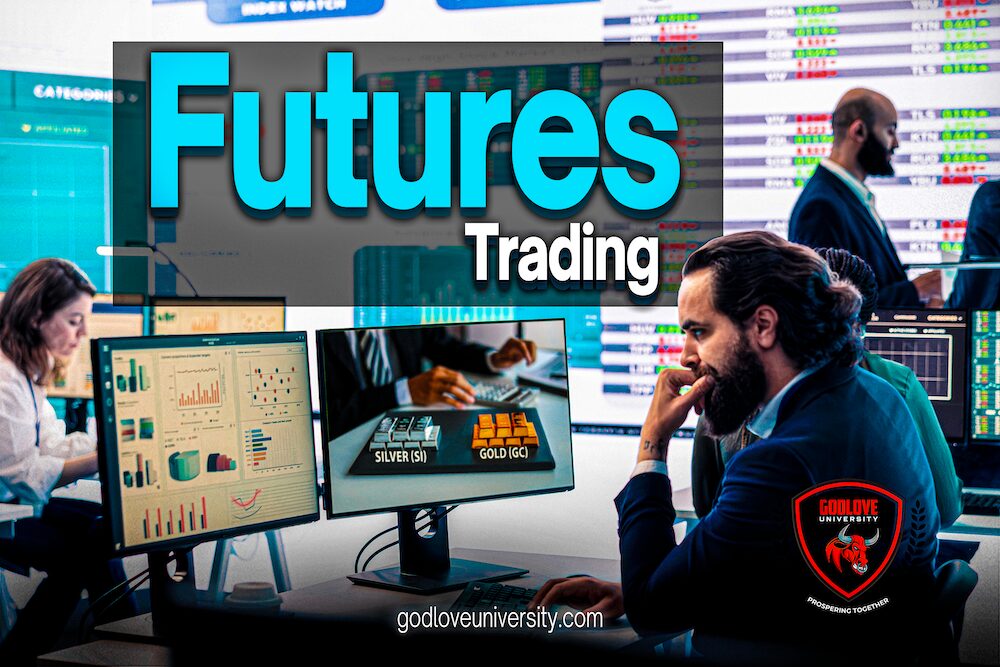
Some traders prefer commodities like gold or oil. Others prefer stock index futures.
Commodities vs Index Futures
Commodities:
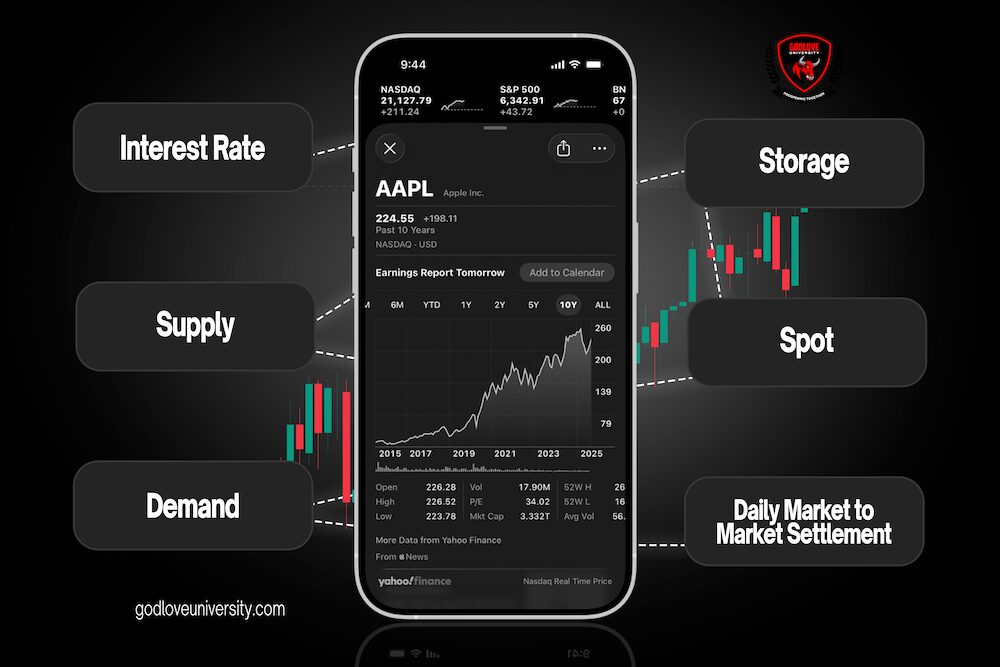
- Influenced by supply and demand.
- Sensitive to geopolitical events.
- Often highly volatile.
Index Futures:
- Track overall stock markets.
- Influenced by economic data and corporate performance.
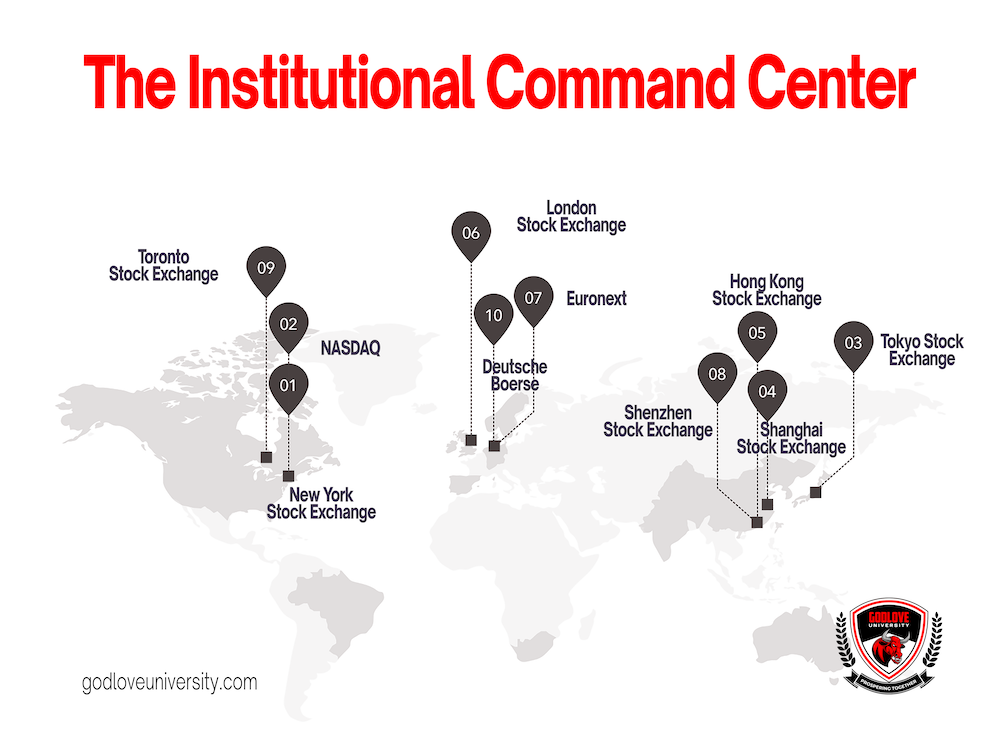
Major index contracts are traded on exchanges such as the Chicago Mercantile Exchange.
Specializing improves consistency.
Instead of trading everything, master one or two markets.
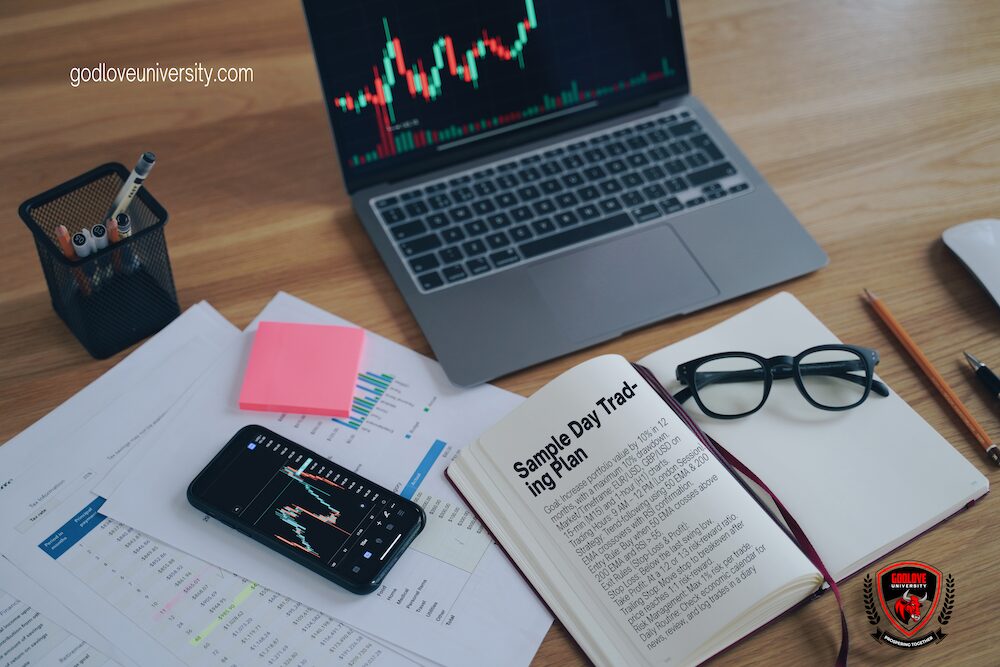
Step 3: Build a Written Trading Plan
A written trading plan should include:
- Entry criteria
- Exit rules
- Risk percentage per trade
- Maximum daily loss
- Maximum weekly exposure
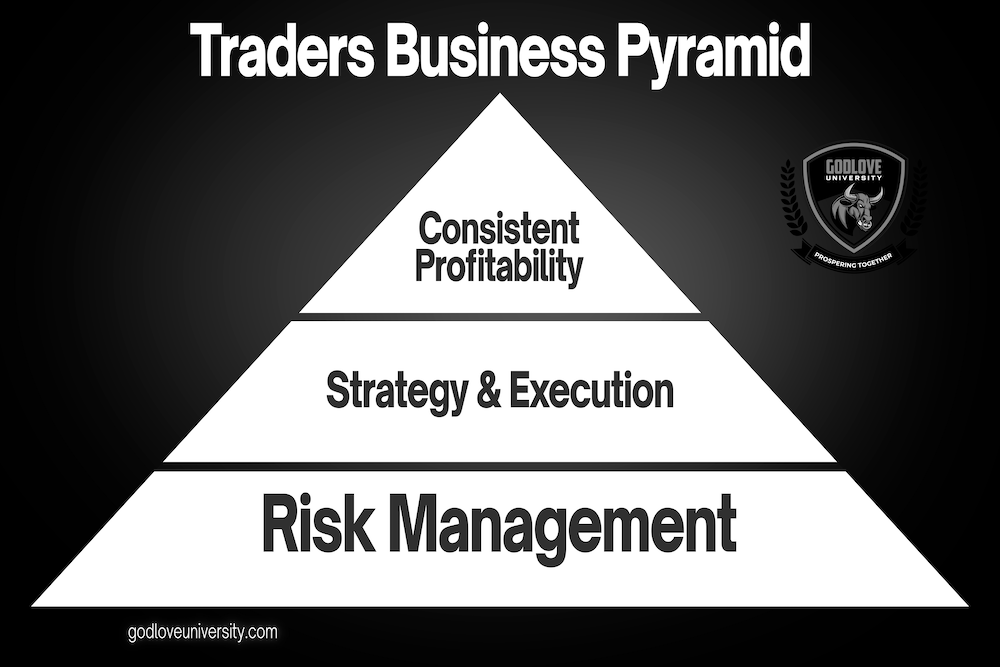
Professional traders treat trading like a business — not a hobby.
Without written rules, emotions take over.
Step 4: Master Risk-to-Reward Ratios
Risk-to-reward ratio determines profitability.
For example:
- Risk $100 to gain $200 (1:2 ratio)
- Risk $100 to gain $300 (1:3 ratio)
Even with a 50% win rate, strong risk-to-reward creates profitability.
The 1:2 and 1:3 Rule
Many experienced traders aim for at least:
- 1:2 minimum
- 1:3 ideal when volatility allows
This structure protects capital during losing streaks.
Step 5: Understand Margin and Capital Allocation
When learning What is Futures Trading?, understanding margin is essential.
Margin is the deposit required to open a position.
However:
Just because you can use full margin doesn’t mean you should.
Smart capital allocation includes:
- Using only a portion of available margin.
- Avoiding overexposure during volatile periods.
- Keeping reserve funds for drawdowns.
Leverage should serve you — not control you.
Step 6: Develop Emotional Discipline
Emotional control separates successful traders from struggling ones.
Common emotional traps:
- Fear after a loss.
- Overconfidence after a win.
- Revenge trading.
- Impatience during slow markets.
Discipline requires:
- Following the plan.
- Accepting losses as part of the process.
- Avoiding impulsive decisions.
Remember, futures markets move fast. Emotional decisions move faster.
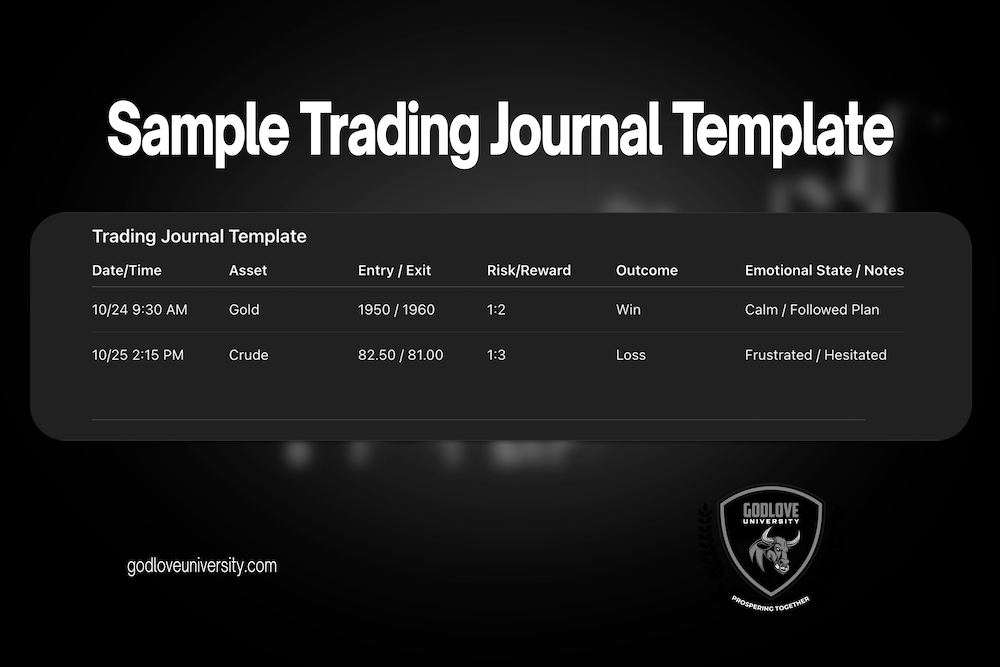
Step 7: Track Performance With a Trading Journal
A trading journal records:
- Entry and exit prices.
- Trade reasoning.
- Emotional state.
- Lessons learned.
Over time, patterns appear.
You’ll discover:
- Which setups work best.
- Which mistakes repeat.
- Which markets suit your personality.
Improvement requires measurement.
Step 8: Continuous Education and Market Awareness
Markets evolve.
Economic policies shift. Interest rates change. Global events influence volatility.
For example, announcements from the Federal Reserve often create strong movement in index and currency futures.
Stay informed through:
- Economic calendars.
- Market news.
- Educational resources.
Knowledge strengthens decision-making.
Step 9: Scaling Safely Over Time
Scaling should be gradual.
Increase position size only when:
- Your strategy shows consistent profitability.
- Drawdowns remain controlled.
- Risk percentage stays stable.
Never double lot sizes emotionally.
Growth must be structured.
The Psychology of Long-Term Futures Trading
Understanding What is Futures Trading? is intellectual.
Mastering it is psychological.
Long-term success requires:
- Patience during drawdowns.
- Confidence in tested systems.
- Acceptance of uncertainty.
- Commitment to discipline.
Trading is not about winning every trade.
It’s about managing risk while allowing probability to work over time.
Frequently Asked Questions
1. Can futures trading be a full-time career?
Yes, but it requires significant experience, capital, and emotional control.
2. What percentage return is realistic?
Returns vary widely. Conservative traders aim for steady, sustainable growth rather than extreme gains.
3. How long does it take to become profitable?
For many traders, it takes months or even years of practice and refinement.
4. Is futures trading regulated?
Yes. Futures contracts trade on regulated exchanges.
5. What is the most important skill in futures trading?
Risk management and emotional discipline.
6. Should beginners focus on one strategy only?
Yes. Master one method before exploring others.
Conclusion
Throughout this series, we’ve answered the core question:
What is Futures Trading?
You now understand:
- The definition and structure of futures contracts.
- Beginner trading strategies.
- Risk management essentials.
- Long-term planning and psychology.
Futures trading offers powerful opportunities.
But opportunity without structure leads to risk.
With discipline, education, and a written plan, futures trading can become a strategic and rewarding endeavor.
This completes the full 3-part series on:
What is Futures Trading?
In our next series we will cover: How Futures Contracts Work – In Simple Terms…
Useful Links
- Learn this and more with the Complete A to Z Forex & Futures Course
- Automate Your Trading with the Award Winning Patrex Pro Forex Bot