Is Futures Trading Safer Than Forex? Learn the crucial differences in leverage, margin requirements, volatility, and risk exposure before choosing between these two powerful trading markets.
Introduction: Why Risk Structure Matters When Asking Is Futures Trading Safer Than Forex
When traders compare markets, one question repeatedly surfaces: Is Futures Trading Safer Than Forex? While the first article explored market structure and regulation, understanding risk exposure remains equally important.
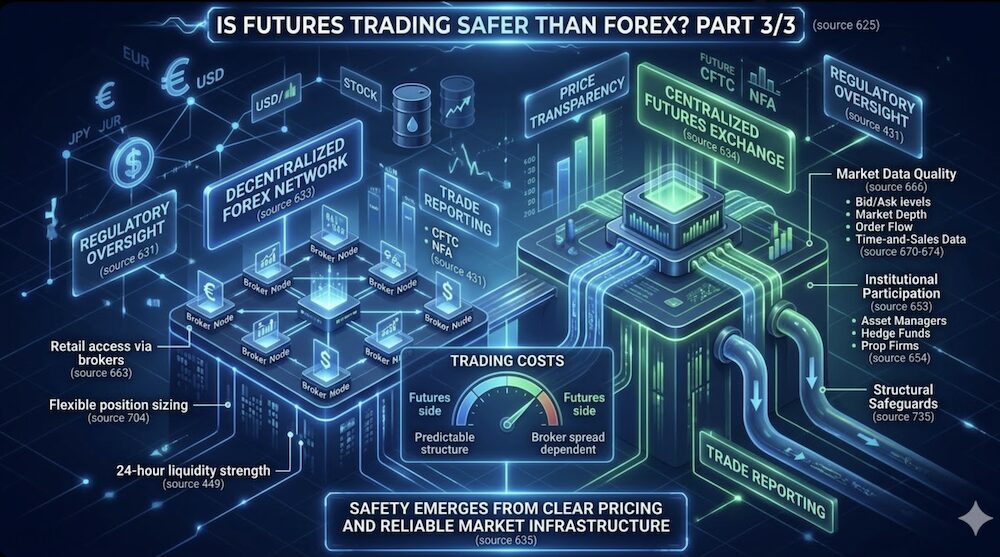
Indeed, safety in trading rarely comes from the market itself. Instead, safety emerges from how the market handles leverage, margin requirements, volatility, and liquidation risks.
At first glance, both forex and futures allow traders to control large positions with relatively small capital. Nevertheless, beneath that similarity lies a very different risk structure.
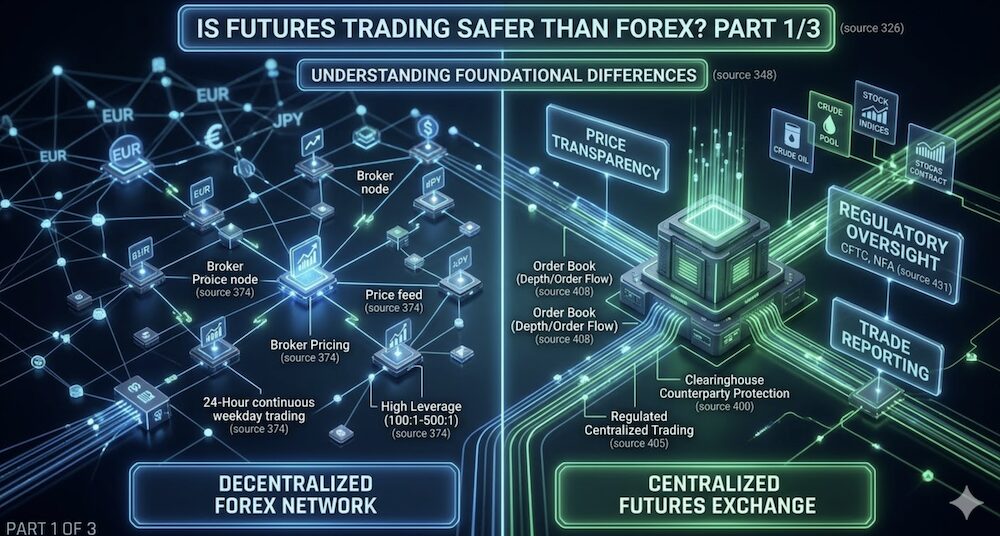
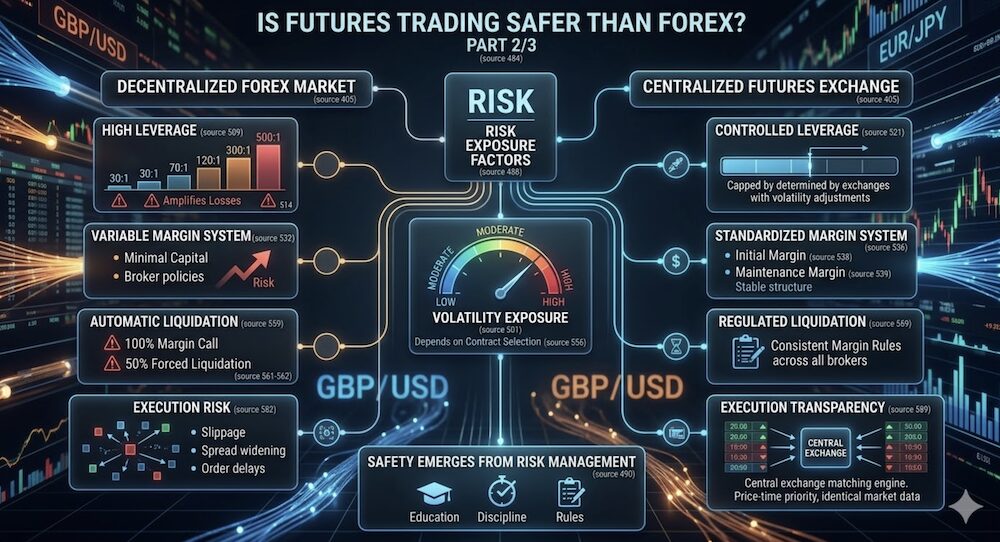
Forex brokers frequently offer extremely high leverage, sometimes reaching 500:1 in certain jurisdictions. Conversely, futures exchanges enforce standardized margin requirements that generally limit excessive leverage.
Furthermore, futures trading includes centralized clearinghouses that manage risk across all market participants. Meanwhile, forex trading depends heavily on broker policies and liquidity providers.
Because of these differences, traders often experience distinct risk profiles depending on which market they choose.
Consequently, this article will analyze the critical factors influencing safety:
- Leverage mechanics
- Margin structures
- Volatility exposure
- Position sizing
- Margin calls and liquidation rules
- Slippage and execution risk
By examining these elements carefully, traders gain a clearer understanding of whether futures markets truly offer a safer environment than forex trading.
Leverage: The Double-Edged Sword of Trading
Forex Leverage Explained
Leverage allows traders to control larger positions than their account balance would normally permit. In forex markets, brokers commonly provide very high leverage ratios.
Typical forex leverage levels include:
- 30:1 (regulated regions like the UK)
- 50:1 (United States)
- 100:1 to 500:1 (offshore brokers)
Although this high leverage can amplify profits, it simultaneously increases potential losses.
For example, even a 1% currency movement can create dramatic account swings when leverage is high.
Futures Leverage Structure
Futures markets also provide leverage, yet the system works differently.
Instead of adjustable broker leverage, futures exchanges set initial margin requirements for each contract. These margins represent a percentage of the contract’s full value.
As a result, leverage becomes naturally limited by exchange rules rather than broker policies.
Because these margins adjust according to market volatility, futures leverage tends to remain more controlled.
Why Leverage Influences Safety
Excessive leverage increases the likelihood of rapid account losses. Therefore, when traders ask Is Futures Trading Safer Than Forex, leverage differences become a major factor.
Forex’s flexible leverage may appeal to aggressive traders. Nevertheless, such flexibility often leads inexperienced traders to take oversized positions.
Meanwhile, futures margin requirements naturally encourage more conservative position sizing.
Margin Requirements: How Each Market Manages Risk
Forex Margin System
In forex trading, brokers require a margin deposit to open positions.
Margin functions as collateral for leveraged trades. However, margin requirements differ significantly between brokers.
For instance:
- A broker offering 100:1 leverage requires only 1% margin.
- A broker offering 500:1 leverage requires only 0.2% margin.
Consequently, traders can control enormous positions with minimal capital.
While attractive at first, this system increases the probability of rapid margin calls during volatile market moves.
Futures Margin System
Futures trading operates under a more standardized margin framework.
Margins include two main components:
- Initial Margin – The capital required to open a position
- Maintenance Margin – The minimum balance required to keep a position open
These margins are determined by exchanges such as the
Chicago Mercantile Exchange.
If an account falls below maintenance margin, traders must deposit additional funds to maintain their positions.
Because exchanges regularly adjust margins based on market volatility, systemic risk remains better controlled.
Volatility Exposure in Forex vs Futures
Currency Market Volatility
Forex markets generally move in relatively small percentage increments. Major currency pairs often fluctuate between 0.5% and 1% daily under normal conditions.
However, during major economic announcements or geopolitical events, volatility can increase significantly.
Examples include:
- Central bank rate decisions
- Inflation data releases
- Unexpected political developments
Because forex operates continuously across global sessions, volatility shifts throughout the day.
Futures Market Volatility
Futures contracts track a wide variety of assets. Therefore, volatility varies depending on the underlying market.
Some contracts exhibit moderate volatility, such as treasury futures. Others display dramatic price swings, including energy and commodities.
For example, crude oil futures may experience large daily moves during supply shocks or geopolitical tensions.
Thus, volatility risk in futures depends largely on contract selection.
Margin Calls and Liquidation Rules
How Forex Margin Calls Work
Forex brokers typically implement automatic liquidation rules when account equity falls below a certain percentage.
For example:
- A margin call may occur when equity drops below 100% of required margin.
- Forced liquidation might begin when equity falls below 50%.
However, these thresholds vary widely between brokers.
Therefore, traders must carefully review broker policies before opening positions.
How Futures Margin Calls Work
In futures trading, margin calls occur when account equity falls below the maintenance margin requirement.
At that point, traders must deposit additional funds to restore the account to initial margin levels.
If traders fail to meet margin requirements quickly, brokers may close positions to limit risk.
Because exchanges regulate these procedures, margin rules remain consistent across brokers.
Position Sizing and Contract Structure
Forex Position Flexibility
Forex traders can open positions in extremely small increments. Many brokers allow micro-lot trading, enabling beginners to trade with minimal capital.
Although this flexibility benefits smaller accounts, it also encourages overtrading when combined with high leverage.
Futures Contract Size
Futures contracts follow standardized sizes.
For example:
- Index futures represent specific dollar values
- Commodity contracts represent physical quantities
Because of these fixed sizes, traders must maintain sufficient capital before entering positions.
Interestingly, many exchanges now offer micro futures contracts, allowing smaller traders to participate while maintaining the standardized structure.
Slippage and Execution Risk
Forex Execution Risks
Because forex trading occurs through broker networks, execution quality depends on broker technology and liquidity providers.
Possible issues include:
- Slippage during volatile events
- Spread widening
- Order delays
Although reputable brokers minimize these issues, traders still rely on broker integrity.
Futures Execution Transparency
Futures markets execute orders directly through exchange matching engines.
Consequently:
- Orders match based on price-time priority
- All participants see identical market data
- Slippage reflects real market liquidity
Therefore, execution transparency often becomes stronger in futures markets.
Why Risk Management Matters More Than Market Choice
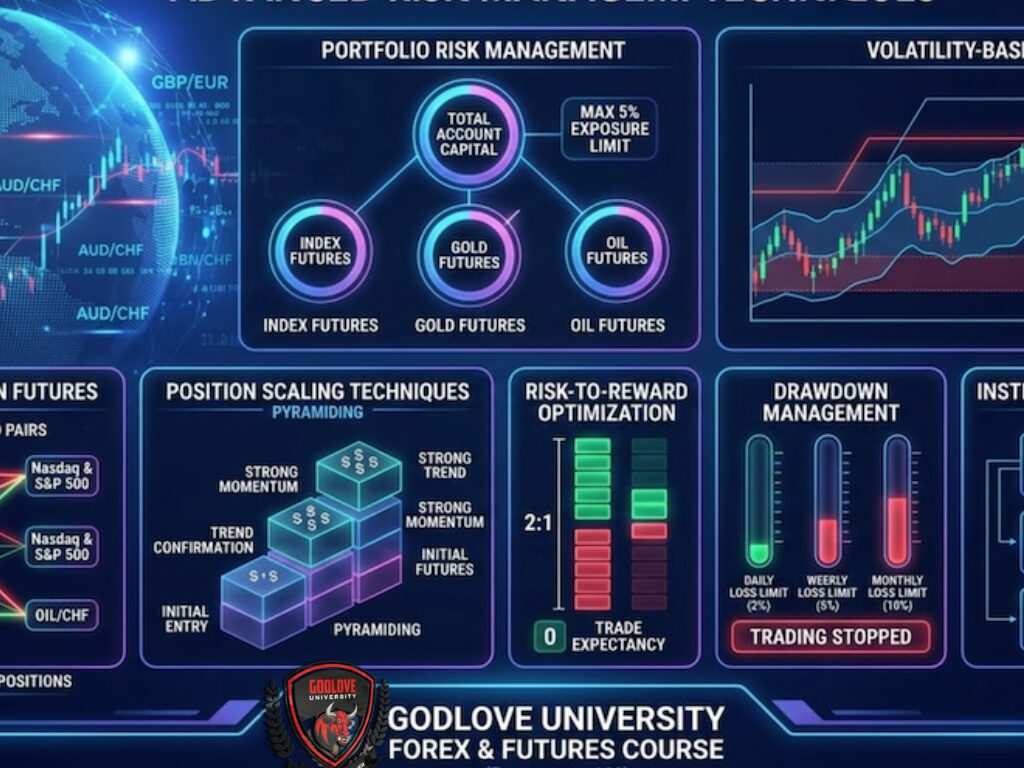
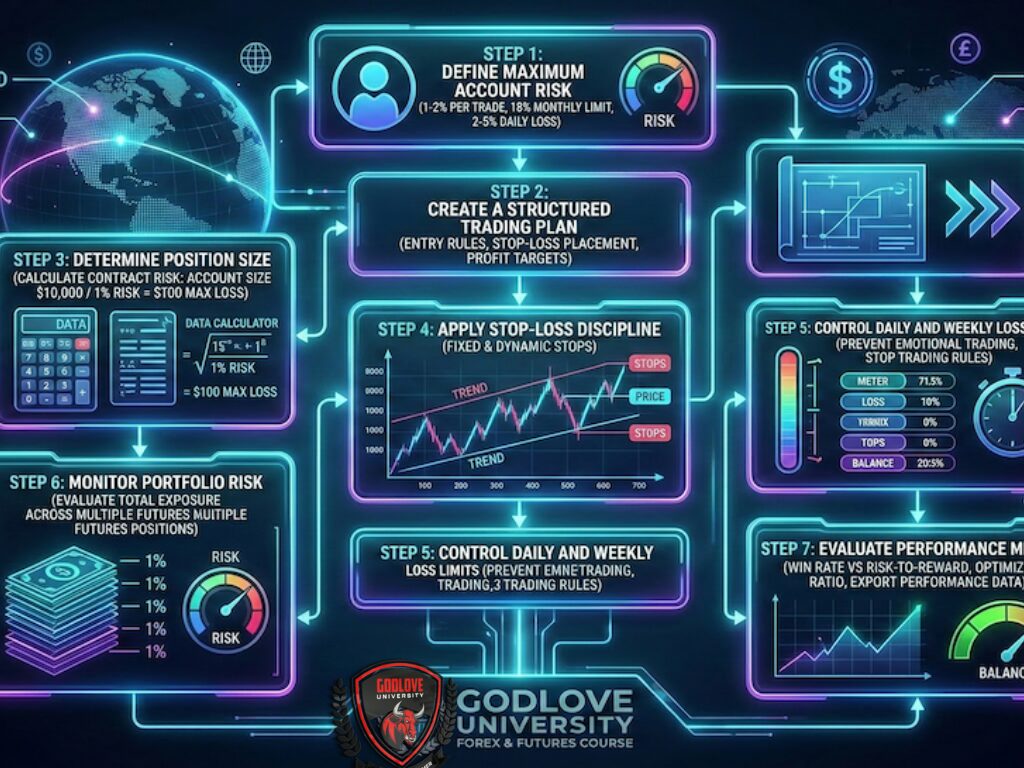
Even though structural differences exist, the safest traders rely on disciplined risk management.
Successful traders consistently apply strategies such as:
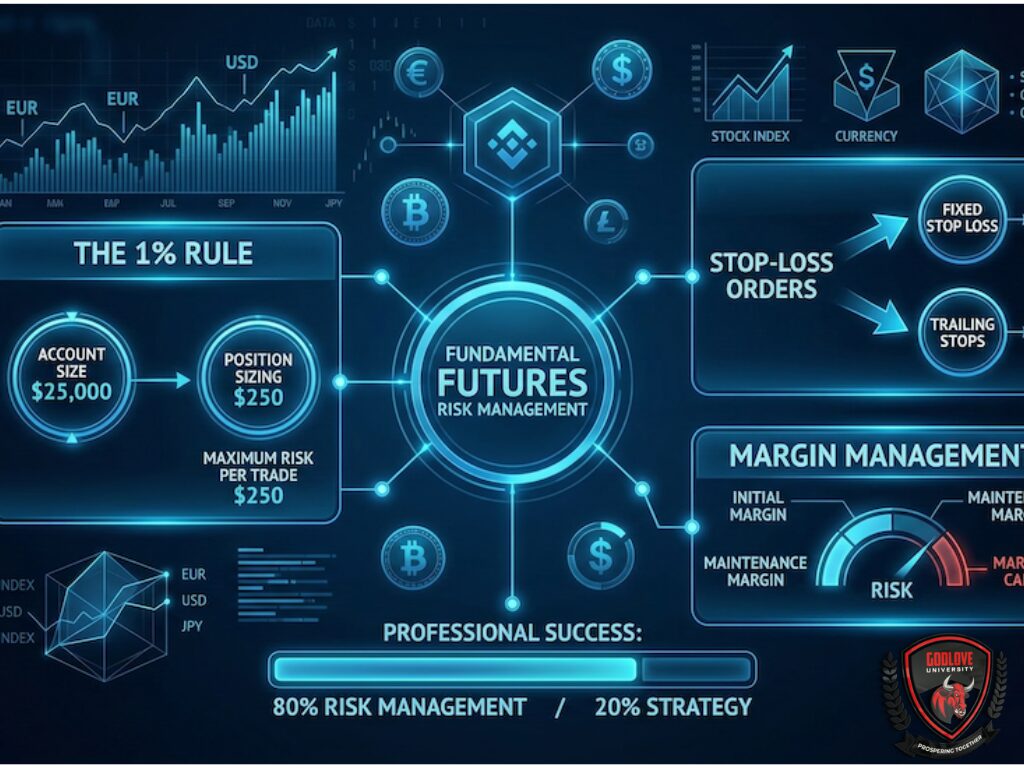
- Limiting risk per trade to 1–2% of account capital
- Using stop-loss orders
- Avoiding excessive leverage
- Diversifying positions
Ultimately, poor risk management can destroy accounts in any market.
Thus, when traders ask Is Futures Trading Safer Than Forex, the honest answer depends partly on trader behavior.
FAQs About Is Futures Trading Safer Than Forex
1. Which market has lower leverage risk?
Generally, futures markets offer lower effective leverage because exchanges set margin requirements.
2. Are margin calls more predictable in futures trading?
Yes. Futures margin rules remain standardized across brokers because exchanges regulate them.
3. Can forex traders reduce risk?
Absolutely. By using lower leverage and strict position sizing, forex traders can significantly reduce risk.
4. Which market experiences higher volatility?
It depends on the asset. Currency pairs often move less than commodities or index futures.
5. Are futures better for long-term traders?
Many professional traders prefer futures due to transparent pricing and standardized contracts.
6. Is forex easier for beginners to access?
Yes. Forex requires less capital to begin trading compared with many futures contracts.
Conclusion
The question Is Futures Trading Safer Than Forex becomes clearer when examining leverage mechanics, margin systems, and risk exposure.
Forex markets offer unmatched accessibility and liquidity. However, extremely high leverage can increase account risk if traders lack discipline.
Meanwhile, futures markets impose structured margin rules that naturally limit excessive leverage. Centralized exchanges also provide transparent execution and consistent margin policies.
Still, safety ultimately depends on education, discipline, and proper risk management rather than the market itself.
In the final part of this series, we will explore professional trader preferences, institutional participation, and long-term profitability, revealing which market many experts consider the safer choice.
Useful Links
- Learn this and more with the Complete A to Z Forex & Futures Course
- Automate Your Trading with the Award Winning Patrex Pro Forex Bot