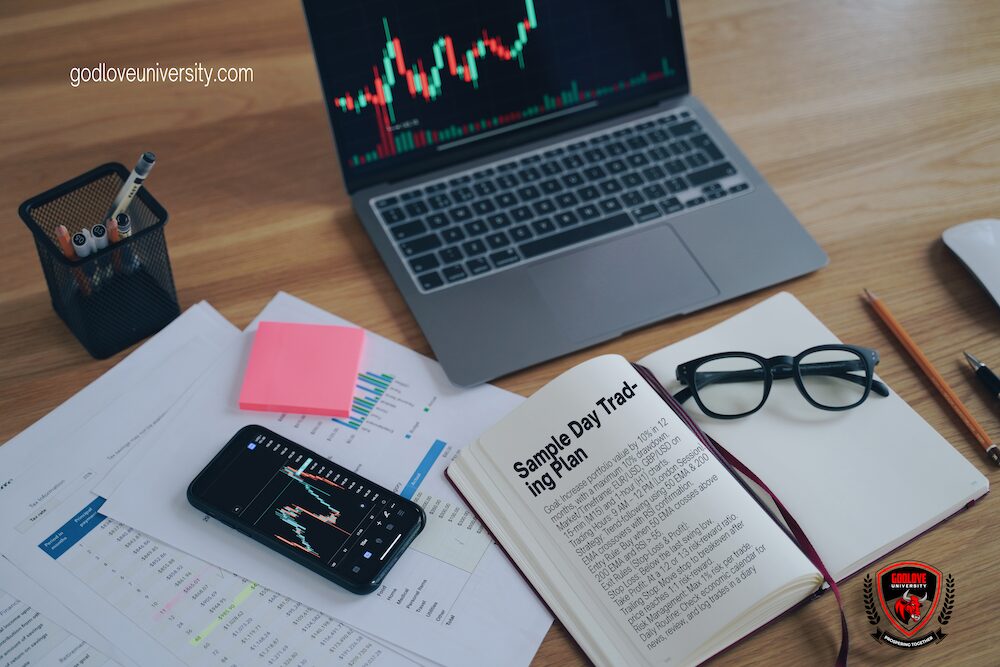

Discover advanced methods of Risk management in futures trading, including portfolio exposure control, volatility-based stops, and professional trader risk frameworks.
Risk Management in Futures Trading: 8 Advanced Techniques Professional Traders Use
Introduction to Advanced Risk Management
Learning the basics of Risk management in futures trading is the first step toward becoming a disciplined trader. However, experienced traders understand that basic rules like stop losses and position sizing are only part of a complete risk framework.
Professional traders monitor portfolio exposure, volatility levels, correlations between markets, and overall capital risk before entering any trade.
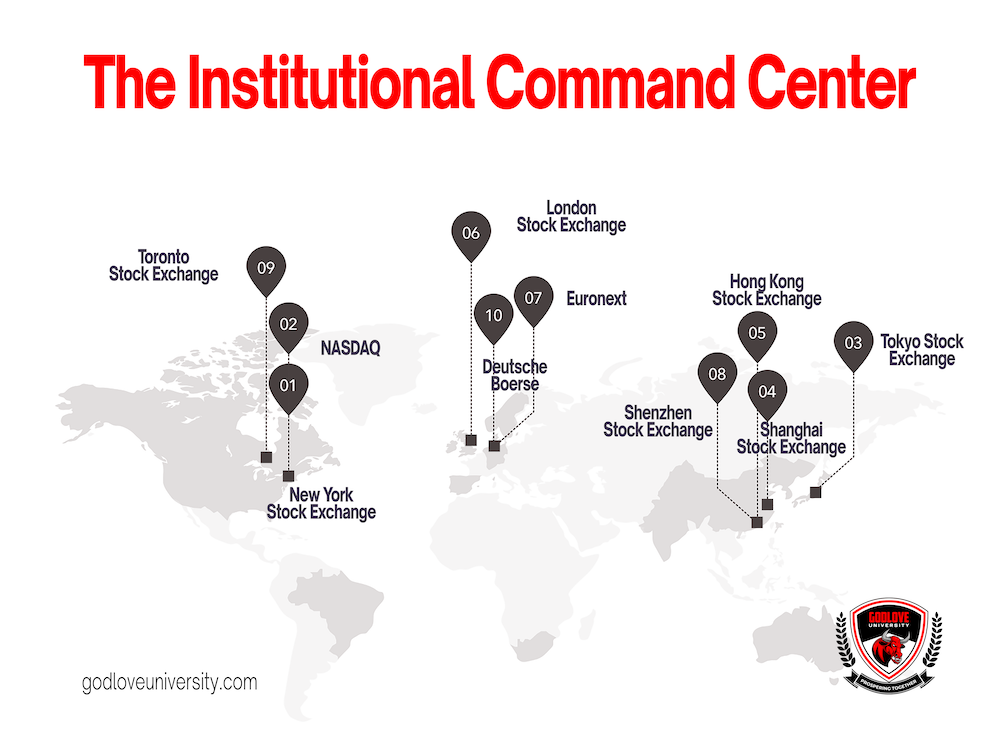
Major futures markets such as those offered by the Chicago Mercantile Exchange attract institutional traders who use sophisticated risk models to manage billions of dollars in capital.
Retail traders can improve their performance by applying similar principles on a smaller scale.
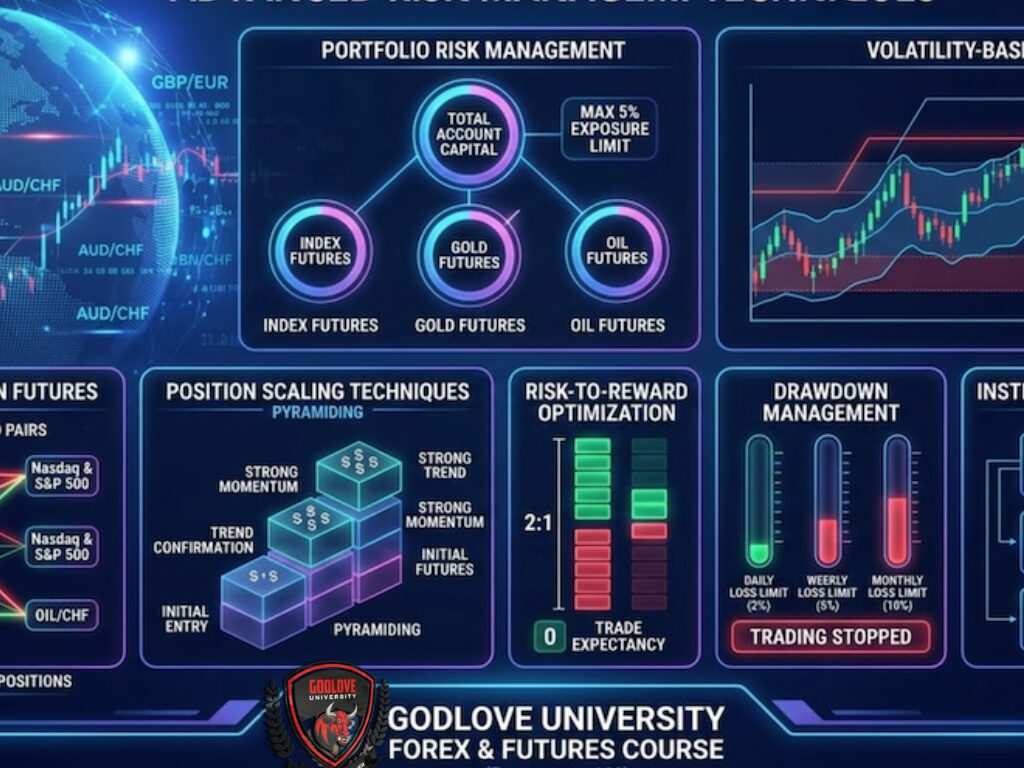
Portfolio Risk Management
Many beginners evaluate risk on a trade-by-trade basis. Professional traders evaluate risk across the entire portfolio.
Measuring Total Market Exposure
Portfolio exposure measures how much of your capital is at risk across all open positions.
Example:
Trade | Market | Risk |
Trade 1 | Index Futures | 1% |
Trade 2 | Gold Futures | 1% |
Trade 3 | Oil Futures | 1% |
Total risk exposure = 3% of account capital
Most professional traders limit total exposure to 5% or less at any time.
This ensures that even if multiple trades fail simultaneously, the account remains protected.
Volatility-Based Stop Loss Strategies
Traditional stop-loss levels use fixed price distances. However, professional traders often adjust stops based on market volatility.
Using Average True Range (ATR)
The Average True Range (ATR) measures market volatility and helps traders place stops at realistic distances.
Example:
Market | ATR Value | Suggested Stop |
Nasdaq Futures | 80 points | 1–1.5 ATR |
Gold Futures | $25 | 1 ATR |
Using volatility-based stops prevents traders from being stopped out by normal market fluctuations.
Correlation Risk in Futures Markets
Another critical part of Risk management in futures trading involves understanding correlations between markets.
Avoiding Overlapping Positions
Some markets move closely together. For example:
Market Pair | Correlation |
Nasdaq & S&P 500 | High correlation |
Gold & Silver | Moderate correlation |
Oil & Energy Stocks | Moderate correlation |
If a trader opens multiple positions in correlated markets, the total risk may be much larger than expected.
Professional traders manage this by limiting exposure to highly correlated assets.
Position Scaling Techniques
Position scaling allows traders to increase exposure gradually as trades move in their favor.
Adding to Winning Trades
A common professional technique is called pyramiding.
Example scaling structure:
Trade Stage | Position Size |
Initial entry | 1 contract |
Trend confirmation | 2 contracts |
Strong momentum | 3 contracts |
This strategy reduces risk during the early stages of a trade while allowing larger profits during strong trends.
Risk-to-Reward Ratio Optimization
A key element of Risk management in futures trading is maintaining a favorable risk-to-reward ratio.
Calculating Trade Expectancy
Professional traders often aim for trades with at least 2:1 reward-to-risk ratios.
Example:
Risk | Potential Reward |
$100 | $200 |
$250 | $500 |
Even if only half the trades succeed, the trader can remain profitable over time.
Drawdown Management
Drawdowns are periods when a trading account declines due to losing trades.
Protecting Capital During Losing Streaks
Professional traders limit drawdowns using strict rules such as:
Rule | Example |
Daily loss limit | 2% of account |
Weekly loss limit | 5% |
Monthly loss limit | 10% |
If these limits are reached, trading stops until performance stabilizes.
This approach protects capital and prevents emotional decision-making.
Institutional Risk Management Techniques
Large institutions rely heavily on structured risk frameworks.
Hedge Funds and Proprietary Trading Firms
Institutional traders often use:
- algorithmic risk monitoring systems
- automated stop-loss protocols
- portfolio hedging strategies
- volatility-based position sizing
These systems constantly measure exposure across markets such as equity index futures, commodities, and currencies.
Retail traders can replicate simplified versions of these systems to improve their own Risk management in futures trading.
Education and Professional Trading Development
Structured education can help traders learn professional-level risk management techniques.
Training programs such as the Godlove University Forex & Futures Course teach traders how to:
- understand futures market mechanics
- manage leverage responsibly
- build structured trading plans
- implement disciplined risk strategies
You can learn more here:
https://godloveuniversity.com/courses-2/
Education helps traders move from random trading toward a structured and repeatable trading process.
Frequently Asked Questions
What is advanced risk management in futures trading?
It involves managing overall portfolio exposure, correlations between markets, volatility-based stop losses, and drawdown control.
What risk-to-reward ratio do professional traders use?
Many professionals aim for at least 2:1 reward-to-risk.
Why is correlation important in futures trading?
Highly correlated markets can increase risk because multiple trades may move in the same direction simultaneously.
How do professional traders limit drawdowns?
They use daily, weekly, and monthly loss limits to prevent large account declines.
What is pyramiding in trading?
Pyramiding is a strategy where traders add to winning positions as the market moves in their favor.
Do beginners need advanced risk management strategies?
Yes. Even simple portfolios benefit from proper exposure control and structured risk frameworks.
Conclusion
Advanced Risk management in futures trading goes far beyond simple stop-loss orders. Professional traders manage risk at multiple levels, including trade size, portfolio exposure, volatility, and correlations between markets.
By applying these advanced techniques, traders can improve consistency and protect their capital during unpredictable market conditions.
In Part 3/3, we will cover:
- Complete futures risk management trading plans
- Real examples of professional risk frameworks
- Step-by-step systems traders can implement immediately
This final article will bring everything together into a practical blueprint for managing futures trading risk.
Useful Links
- Learn this and more with the Complete A to Z Forex & Futures Course
- Automate Your Trading with the Award Winning Patrex Pro Forex Bot